
Seven days in the Mojave
Every year we pick a handful of people and their trucks and spend a week on dirt somewhere new. In 2027 that's the Mojave. Self-supported, filmed start to finish, led by the two people who started the company.
From the application to the last camp
- 01Nov 2 – Jan 15Apply
Tell us about the truck, the things you've broken on trail, and why this trip. A walkaround video helps.
- 02Feb 1The twenty
Twenty finalists go up on Instagram and to the list. Every finalist gets a phone call.
- 03FebruaryThe six
Six rigs join the four crew trucks. You get two weeks to confirm and sign the waiver and release.
- 04Feb – MarPrep
Partner parts go on your truck. Your rig profile goes up on the site before you leave.
- 05Mar 20 – 27The week
Seven days across the desert with nine other rigs, a camera and whatever breaks.
- 06AfterThe film
Andrew Crow's edit and the photo set come out after the trip. You and your truck are in both.
What seven days in the desert look like
- Sat · Mar 20Meet at the start
Rig check, radios on the trip channel, CV Lassos handed out. First camp that night.
- Sun – Fri · Mar 21 – 26Trail days
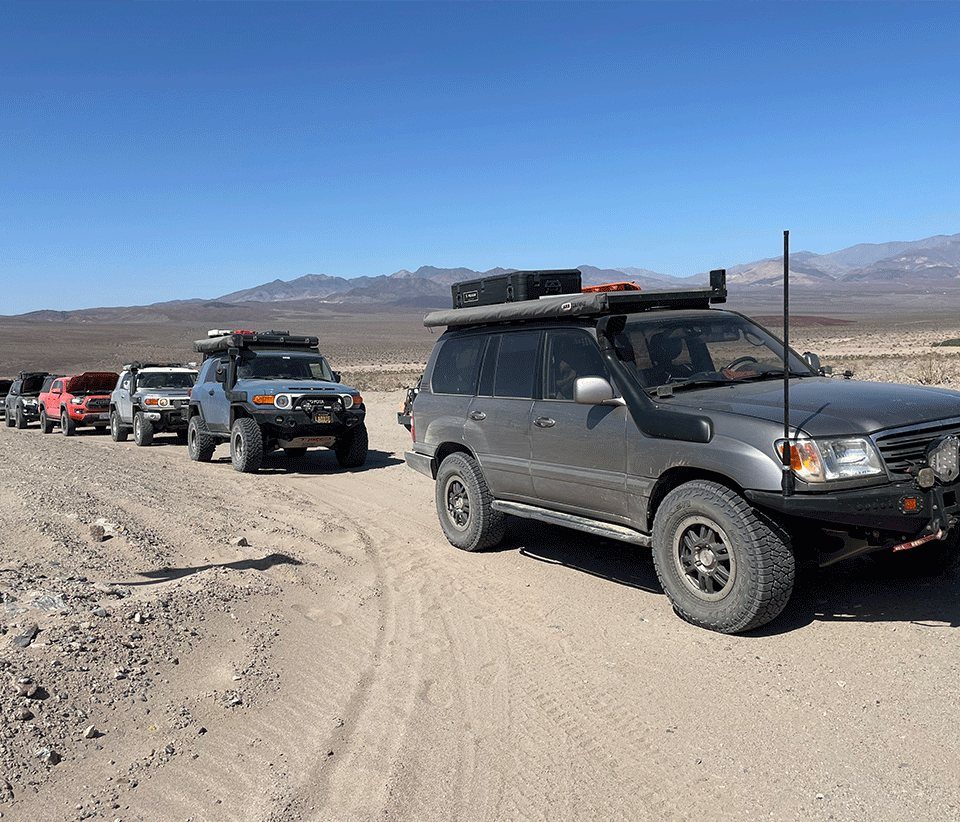
Long miles of dirt between camps. Sand washes, rocky climbs, old mining roads, and short stretches of pavement to fuel up.
- Sat · Mar 27Out and home
Breakfast, a last photo of all ten, and the drive home on whatever's left of your truck.
- Graded dirt and two-trackMost of the miles
- Sand washesAir down, keep momentum
- Rocky climbsLockers and a spotter
- PavementFuel and transit only
Ten trucks and a week of desert means something breaks. Usually a CV, sometimes worse. The fix is part of the trip, and it's in the film.
The route stays with the crew until the start. Selected rigs get the start point and the first camp when they confirm.
People who can fix their own truck
You can drive, you can wrench, you want to be on camera, and your rig has a story. That's the list. We pick for the truck and how it's built, your experience fixing things in the field, whether you're good company for a week, and variety across the ten.
Homebuilt beats bought. A high-mileage truck you built in your driveway has a better shot than a showroom build, so tell us why you built it the way you did.
It is not a vote and we don't take everyone who qualifies. Six open seats, two of us reading every application.
Pay your own way
- 01No entry fee. You cover fuel, food, lodging on paved days, and any park or permit fees.
- 02Your slot covers you and one co-driver over 18. No kids, pets or extra passengers.
- 03Drive it there. No trailers and no chase trucks. If it can't drive to the start, it can't do the week.
- 04Every rig is filmed and photographed. You sign a release before the start.
- 05Partner-supplied parts go on your truck before the trip and get used during it.
A week you can't buy
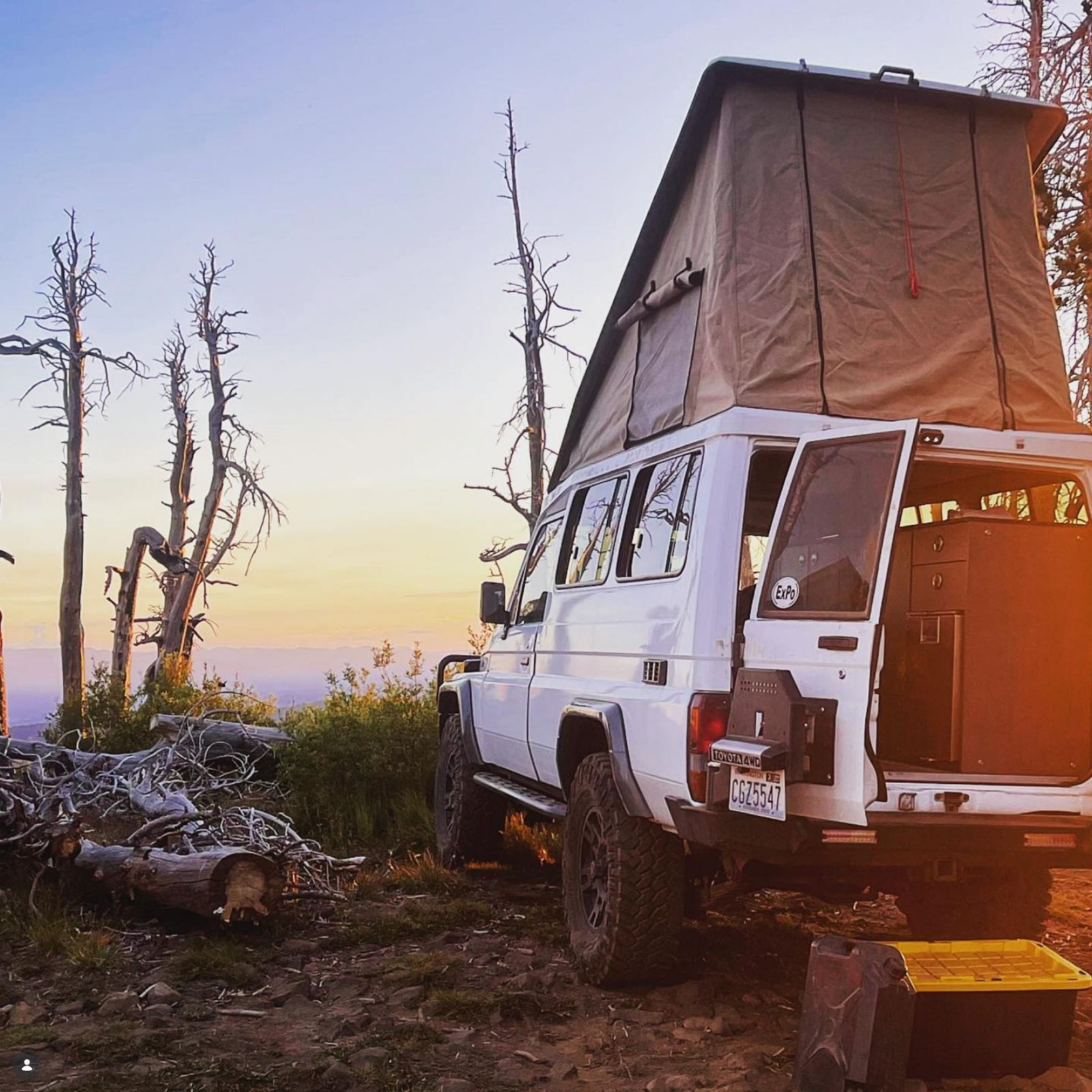
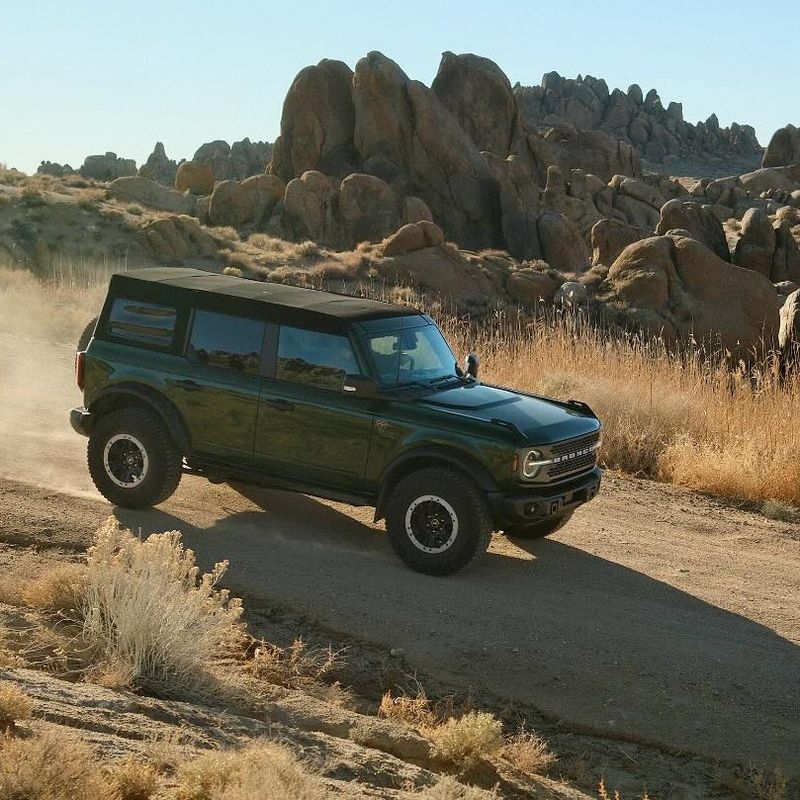
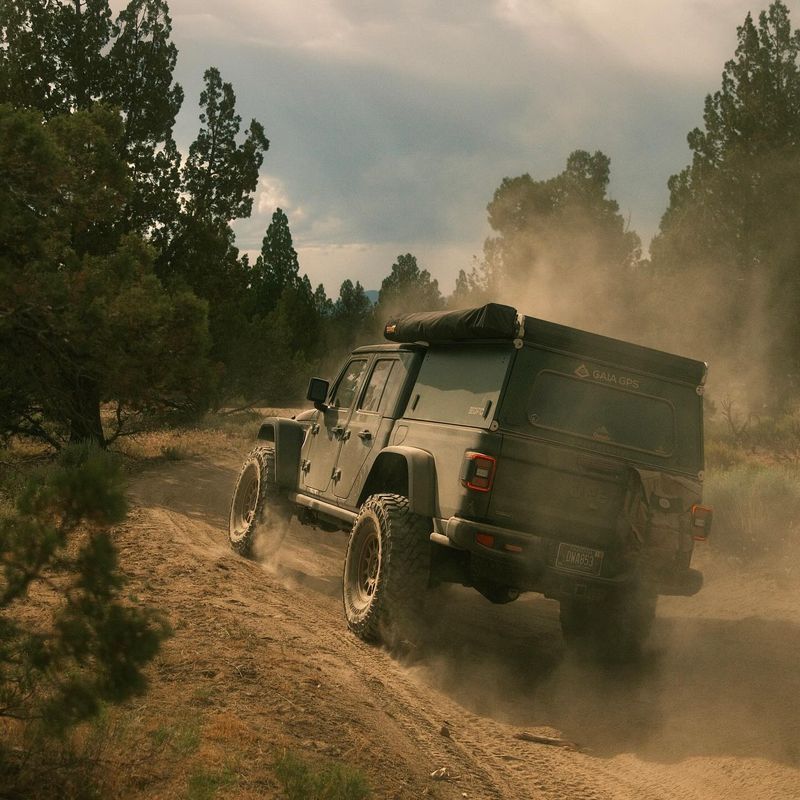
Four crew trucks and a camera
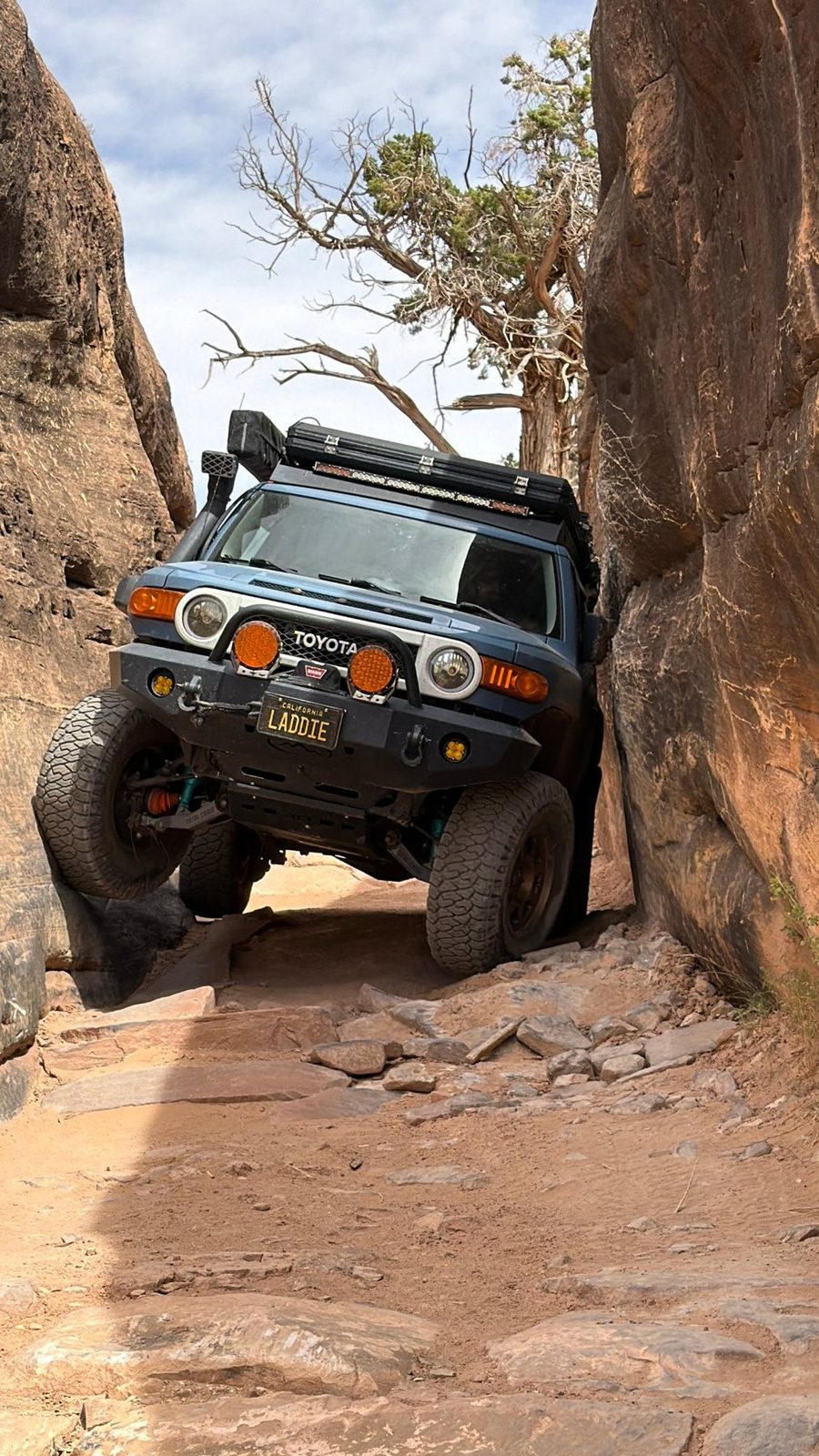
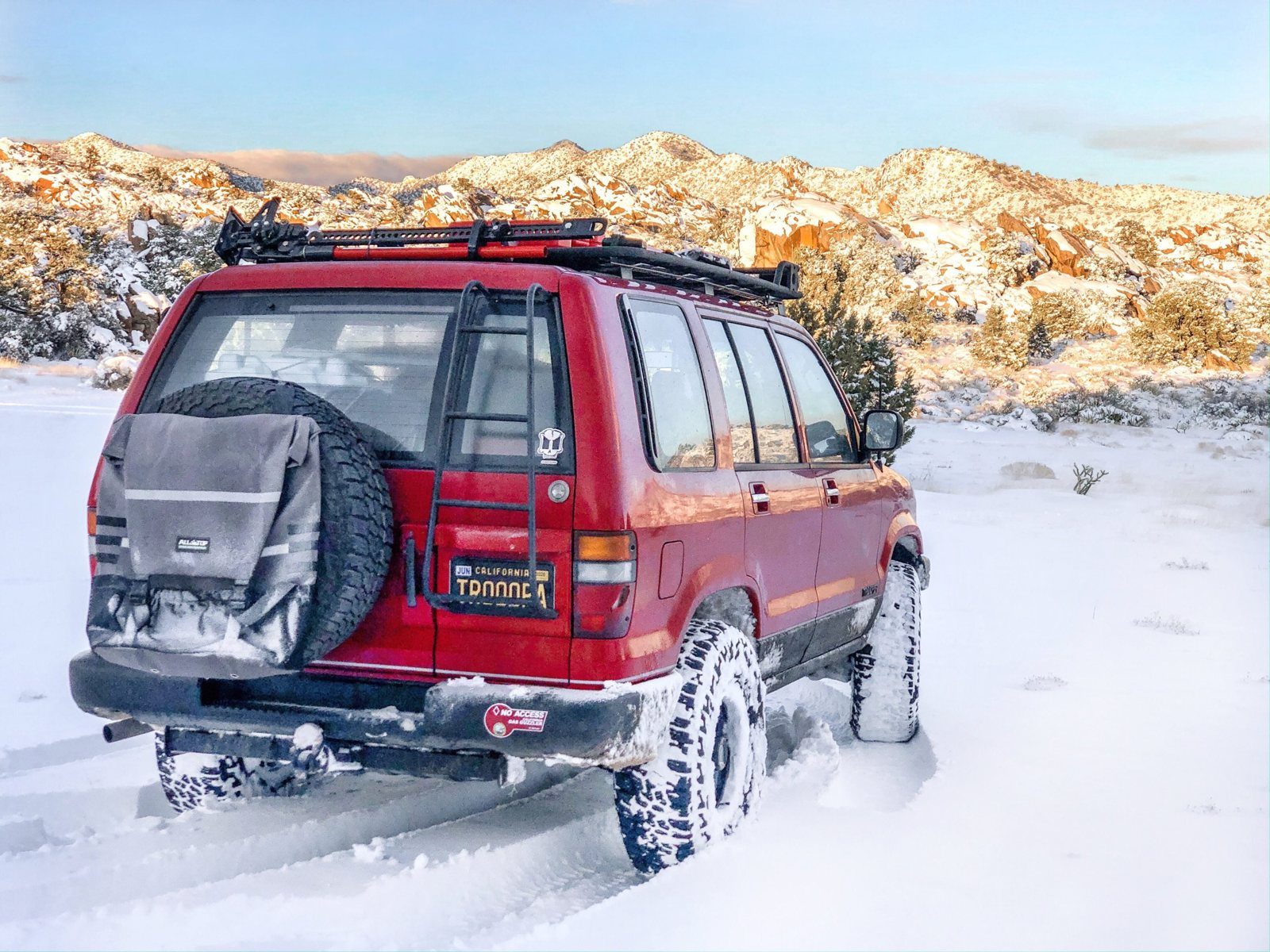
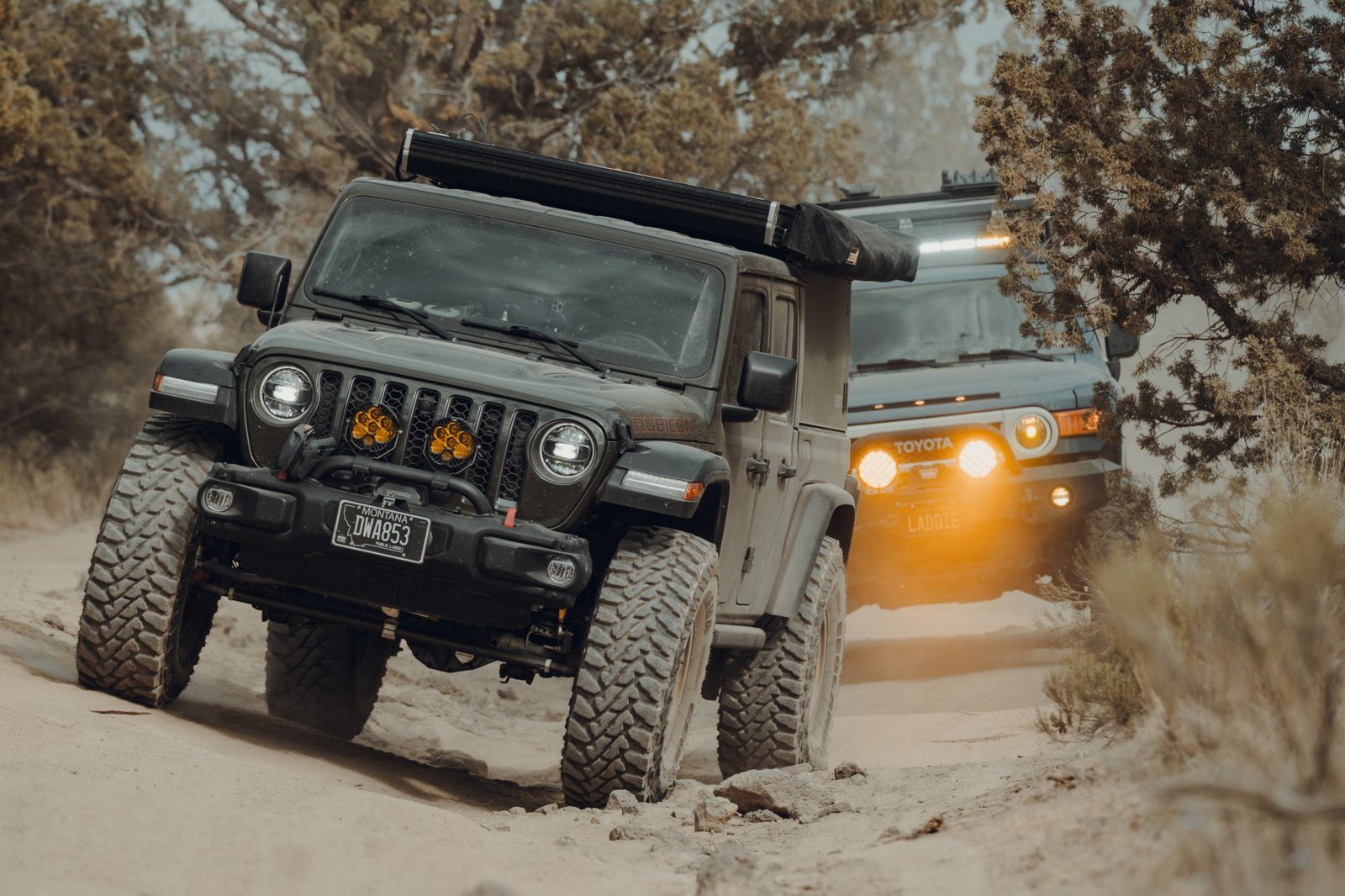
The six rigs we pick run with these four. Andrew Crow shoots the whole week.

What the truck needs, what you carry, how the week runs
The rig
- Street legal, registered, insured. You drive it to the start and there are paved transit days.
- Working 4WD with a locker or limited slip on at least one axle.
- Rated recovery points front and rear, bolted to frame.
- Full-size matching spare.
- 200 miles of range in 4WD, carried or built in.
- GMRS or HAM on the trip channel.
The kit
- Tools to pull an axle, hub and driveshaft on your own truck.
- The spares you'd want for your platform. List them in the application.
- A CV Lasso. We hand one to every participant at the start.
- Fire extinguisher, first aid, tow strap, shovel.
- Water for the week and a way to carry it.
The week
- You fix your own truck. The group helps. Nobody gets left.
- No alcohol while rigs are moving.
- Designated routes only. Pack it out.
- The leaders' call is final on route changes and weather.
- Driver plus one co-driver over 18. That's the whole crew.
The short answers
What is LRDT?
Long Range Desert Tools is a small company run by Erik Menches and Nate Smith out of California and Maine. We make trail tools like the CV Lasso and run one self-supported, ten-rig overland trip each year, somewhere new every time. 2027 is the Mojave.
When is the 2027 trip?
Saturday, March 20 to Saturday, March 27, 2027. Seven days in the Mojave, in late March, when the desert is cool and the days are long enough.
How much does it cost?
There's no entry fee. You pay your own way: fuel, food, lodging on paved days, and any park or permit fees, plus getting yourself to the start and home from the finish.
How many rigs go?
Ten. Four are crew trucks, so six seats are open. Each slot covers the driver and one co-driver over 18. No kids, pets or extra passengers.
How do I apply?
Applications are open Nov 2, 2026 to Jan 15, 2027 on the Apply page. Two of us read every one, and twenty finalists are announced Feb 1, 2027. It is not a vote, and we don't take everyone who qualifies.
How hard is the driving?
Harder than a graded road, easier than a rock crawling event. Most miles are dirt, two-track and sand, with rocky climbs that need a locker and a careful line. The miles add up over a week, and that's when trucks break.
What does my truck need?
Street legal, registered and insured; working 4WD with a locker or limited slip on at least one axle; rated recovery points front and rear; a full-size matching spare; 200 miles of range in 4WD; and GMRS or HAM on the trip channel.
Can I trailer my truck to the start?
No. You drive it there and you drive it home. No trailers and no chase trucks. If it can't make the drive, it isn't ready for the week.
Where does it go?
Somewhere new every year. 2027 is the Mojave. The start point and the first camp go to the selected rigs when they confirm, and the route stays with the crew until then.
Is there a support vehicle?
No sweep truck. You fix your own truck, the group helps, and nobody gets left. Navigation and trail repair are the point of the trip.
What if my truck can't be fixed?
We'll throw everything we have at it on the trail. If it's done, the tow and getting home are on you, so check your roadside coverage before March.
Is there cell service?
Not for most of the week. The crew carries Starlink, so there's always a way to reach home or call for help. You don't need your own, but we recommend a satellite messenger or Starlink if someone at home will want to hear from you.
Is it a race?
No. It's a trip, led by the two people who started the company. Every rig is filmed and photographed, and every participant gets a CV Lasso and Campspotter Pro.
Can I come back next year?
Everyone who finishes gets first call on a spot in the following trip. Not picked this year? Applications don't roll over, so apply again with what changed.